
A Valley Worth Investing In
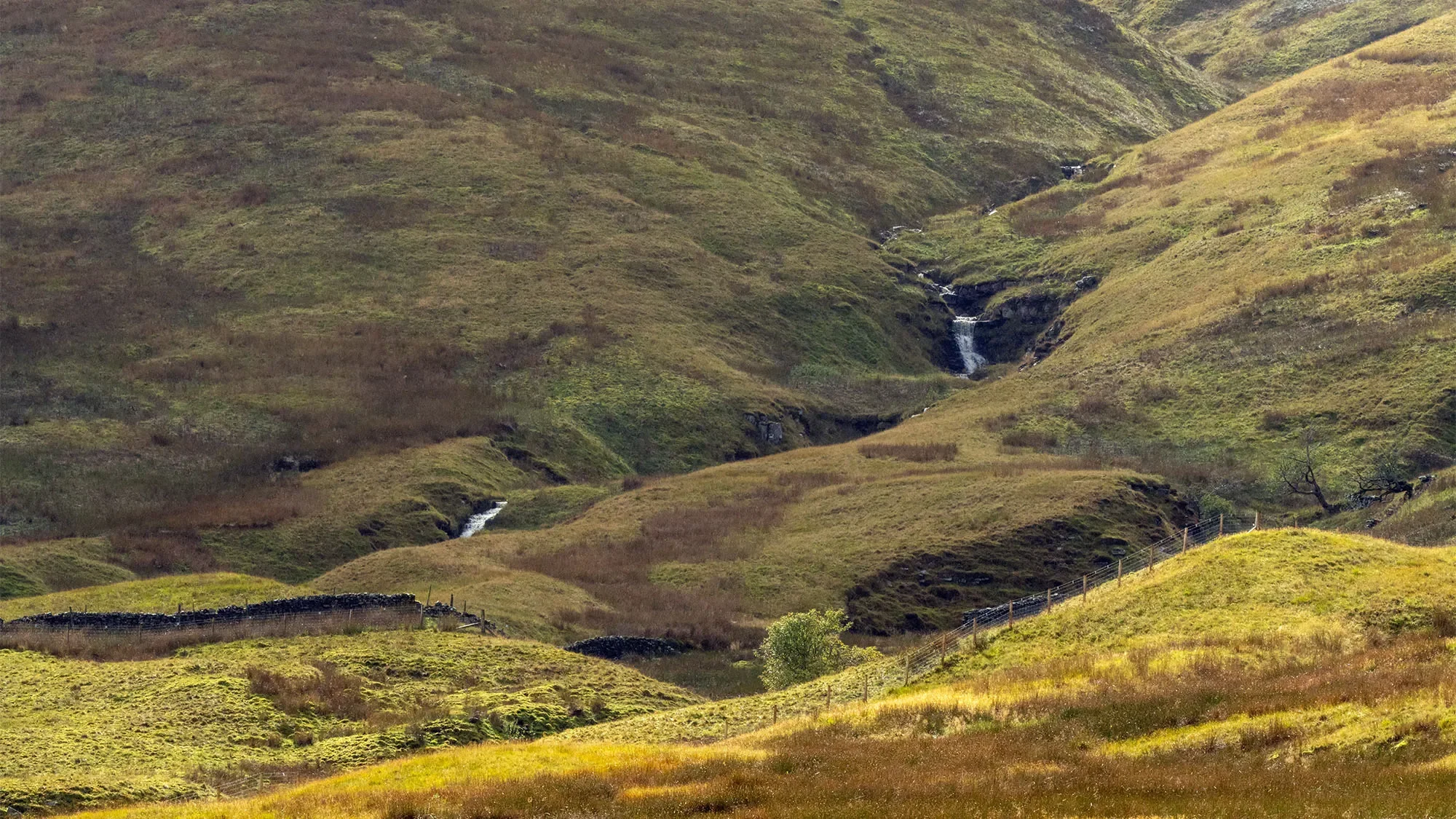
For those who have ever wondered what meaningful environmental philanthropy looks like in practice, a quiet valley in the Yorkshire Dales offers a compelling answer. Above the market town of Hawes, the Woodland Trust is attempting something both bold and patient: acquiring land, restoring it carefully, and holding it in trust for generations to come.
The immediate goal is straightforward. The Trust is seeking to raise £4.86 million to acquire three further parcels at Snaizeholme, extending an estate first assembled in 2021, and to cover ongoing restoration costs. Success would make it the charity's largest site in England and bring within reach a vision of one of the country's most significant continuous native woodlands. Failure would mean watching key pieces of the ecological jigsaw pass out of reach.
What your support would secure
Since acquiring its initial holding, the Woodland Trust has more than tripled its footprint in the valley to 1,386 acres (561 hectares). Across steep hillsides, 290 hectares of native woodland have been planted. A further 90 hectares of upland peat bog have been restored and rewetted, reviving their function as carbon stores and natural flood defences in a valley that can receive up to two metres of rainfall each year. Watercourses are being repaired and more than 20 monitoring stations track progress.
At the heart of the project lies the red squirrel. Snaizeholme sits within a grey squirrel exclusion zone, making it one of the few English refuges for this threatened native species, which has been present here since the 1970s. When the Trust first intervened, suitable habitat was limited. Woodland creation has already expanded that habitat significantly. The proposed purchase would bring two commercial conifer blocks, where red squirrels are already seen, under wildlife-focused management, adding more than 100 hectares of connected habitat while newly planted broadleaf woodland continues to mature.
The valley supports far more than squirrels. Black grouse display on the moorland fringe; curlew nest in the valley bottom; barn, tawny and little owls hunt at dusk. Rare white-clawed crayfish persist in clean streams. Native Hereford cattle now graze the slopes, encouraging natural regeneration and richer vegetation. The long-term ambition is to restore a mosaic of woodland, scrub, meadow and peat more akin to the uplands of 500 years ago than to the simplified landscape that followed centuries of intensive use.
This is not a cosmetic project. It is an attempt to demonstrate how upland England might function differently, locking up carbon, slowing water, supporting wildlife and offering public access to a thriving natural landscape.
Why it may resonate
Philanthropists frequently speak of wanting clarity and legacy. Land acquisition provides both. An acre secured today remains protected for nature in perpetuity. Trees planted at Snaizeholme will stand long after current market cycles are forgotten. For those concerned about the environmental cost of modern prosperity, whether framed as responsibility or opportunity, projects of this scale offer a credible route to lasting impact.
The Trust's experience suggests that new woodland creation and land purchase are among the most compelling propositions for philanthropic giving. They are measurable, visible and ambitious. In time, Snaizeholme could serve as a model for the English uplands, demonstrating that degraded landscapes can recover if given space, time and capital.
Why now makes sense
There is an unavoidable practical dimension. The three parcels of land will not remain available indefinitely. Securing them now would consolidate the existing estate and accelerate habitat recovery. Delay risks fragmentation.
There is also the calendar to consider. As the end of the tax year approaches, many donors are reviewing income, gains and philanthropic allocations. The UK's charitable relief framework is designed to encourage giving. Higher-rate taxpayers, at 40 or 45 per cent in 2025/26, can reclaim the difference between the basic and higher rate of income tax on the gross value of Gift Aid donations via self-assessment. Those not completing a return can contact HMRC to amend their tax code. In effect, the Exchequer increases the value of your gift.
Tax rules do change and professional advice remains essential. For many donors, however, the final weeks of the fiscal year present a genuine opportunity to deploy unallocated funds efficiently while achieving substantive public benefit.
A longer-term partnership
The Woodland Trust is not simply seeking donations. It is seeking allies. From this appeal, the Trust hopes to identify at least five new prospective philanthropists interested in building a longer-term relationship, with opportunities to support future projects at a transformational level. Snaizeholme is a beginning, a flagship for what sustained, strategic philanthropy can achieve across Britain's landscapes.
Stand in the valley today and the direction of travel is visible. Young woodland climbs the hillsides. Peat, once drained, now holds water. A red squirrel moves through the canopy. Change is incremental but unmistakable.
The question, as the tax year closes and the land acquisition window narrows, is whether you wish to be part of that change. A meaningful gift now could help secure an entire valley for wildlife and for future generations. To explore the opportunity, visit woodlandtrust.org.uk/snaizeholmeappeal or contact the Philanthropy Team at philanthropy@woodlandtrust.org.uk.